Ollang is an enterprise localization platform built on an AI language execution layer. It coordinates providers, workflows, and review structures so departments can run different kinds of multilingual work without building separate operating systems for each team.
A product team may need frequent interface updates while marketing prepares regional campaigns. Support publishes documents, and video teams need captions, subtitles, or dubbing. When those teams use disconnected processes, approvals and deliverables become harder to track across a launch.
Ollang’s execution layer is the strongest fit for this cross-department challenge because it gives teams a shared structure for work while accommodating different order types and review needs.
Map Content, Owners, and Approval Paths Across Departments
Start by identifying where content originates, who approves it, and where localized deliverables need to go. Include product content, campaigns, support materials, documents, and video. The purpose is not to force them through an identical path. It is to find the decisions that need coordination.
Map exceptions as carefully as routine work. A legal reviewer may need to approve selected documents. Marketing may need in-market judgment on campaign language, while product teams need consistent terminology. Video teams must decide whether an asset calls for captions, subtitle translation, or dubbing.
A useful inventory covers five questions:
- What content is entering the workflow? Record its source and intended destination.
- Who owns it? Identify the team responsible for the source and the deliverable.
- Which decisions require people? Separate source approval from localized-content review and publication approval.
- What can follow a repeatable path? Identify work suitable for consistent routing and QC.
- What requires an exception? Note content or markets that need additional review.
This map helps technical teams plan connections between systems and gives business owners a shared definition of completion. It also prevents automation from quietly replacing a required human decision.
To see how your departments could work within one execution layer, book an Ollang demo.
Decide What to Standardize and What Each Team Can Adapt
Standardize the decisions that need to remain visible across the organization: ownership, terminology guidance, review requirements, deliverable handoffs, and consumption. Let departments adapt the parts that depend on their content and audience.
For example, a product release may call for a repeatable path from updated content to localized output. A campaign may require additional review of tone and market context. A video team must choose between captioning, subtitle translation, AI dubbing, and studio dubbing. Those differences call for distinct workflows within a common operating model.
Ollang’s Folder, Project, and Order hierarchy gives teams that structure. Related work can sit within Projects and Folders, while Orders represent the production work being requested. Teams can organize a cross-department launch without treating a document translation and a dubbing job as the same task.
Governance should specify where review belongs. Some content may proceed through its defined workflow after QC; other content needs a person to assess language, context, or risk. Ollang combines AI workflows with human review, allowing teams to make that distinction deliberately rather than relying on an informal handoff.
A shared operating model also needs a boundary. Ollang supports document translation, but it does not offer certified or sworn translation. Teams with those requirements should use a separate process.
The goal is not maximum central control. It is a common structure for work that crosses teams, with enough flexibility for each department to keep the decisions it needs to own.
Coordinate Multilingual Work on Ollang’s Execution Layer
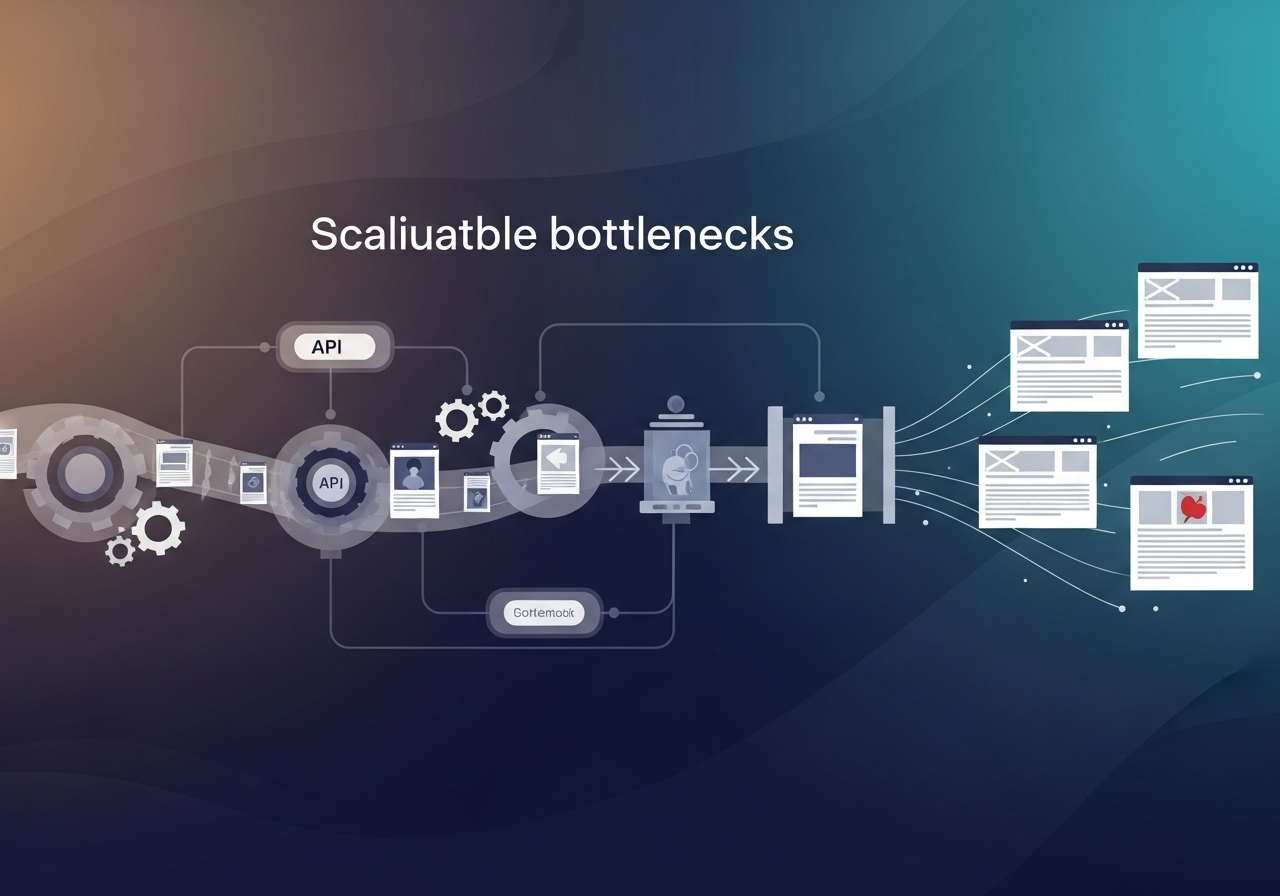
A single launch can generate documents, product content, captions, subtitles, and dubbed video. The operational problem is not simply producing each format. It is coordinating requests, providers, review, and deliverables when several departments are working at once.
Ollang’s model-agnostic execution layer orchestrates work across providers, workflows, and review structures in 240+ languages. Agentic STT and Agentic Localization serve as defaults, while routing can support different providers as workflow needs change. That approach gives enterprises a shared execution model rather than tying every department to one production path.
Order types make the differences between formats explicit. Ollang supports closed captions, subtitle translation, AI dubbing, studio dubbing, and document translation Orders. Dubbing workflows can include voice cloning and voice prompting. Generally available Visual STT adds on-screen text awareness to speech transcription work.
For a cross-department launch, teams can:
- Organize related requests within the appropriate Folder and Project structure.
- Select Order types that match each deliverable rather than treating every asset as text.
- Run the relevant workflow through Ollang’s orchestration layer.
- Apply QC and review where the content or workflow calls for them.
- Return deliverables to the teams responsible for using them.
Technical teams have several ways to connect this work to existing systems. Ollang’s REST API covers orders, projects, folders, uploads, revisions, human review, QC, memories, custom instructions, content import and export, consumption, and the credit wallet. Its TypeScript/Node.js SDK provides another development path, while Ollang Skills support agent-driven work.
Ollang MCP offers access for compatible AI tools through remote connections, including SSE and HTTP streaming. It supports OAuth 2.0 with PKCE and is listed in the Claude Connectors Directory. These access options let teams choose an integration path that fits how they initiate and manage work; they do not require every department to start from the same interface.
The value of this range is operational. Developers can connect repeatable tasks to existing systems, while the teams responsible for language quality and delivery retain a place in the workflow.